
UNIMA School of Education Awards K50 Million in Research Grants to Five Teams
The School of Education at the University of Malawi (UNIMA) has awarded research grants worth K10 million each to five research teams as part of efforts to strengthen the culture of research within the school.
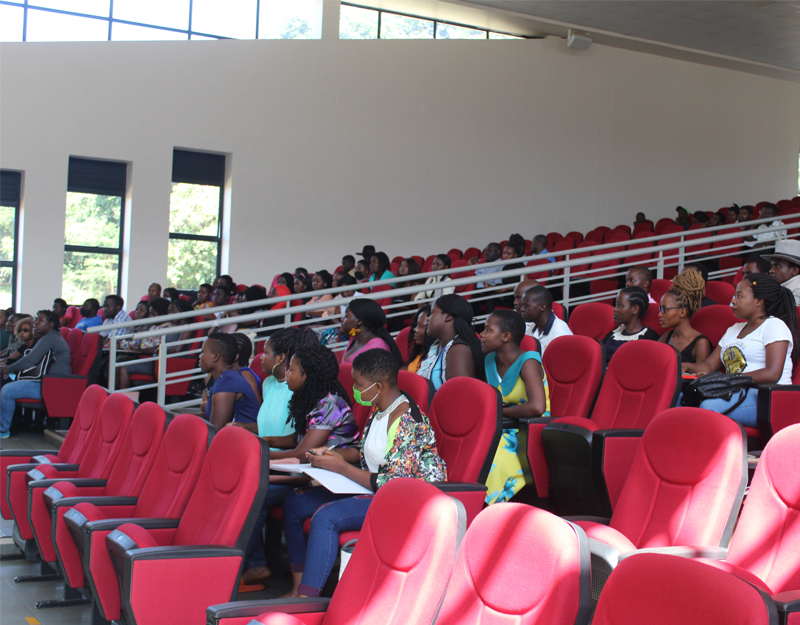
The award ceremony, which took place on 16th October 2026, was supported by the Directorate of Research, Innovation and Postgraduate Studies (DRIPS).
DRIPS Director, Dr Maurice Monjerezi was the guest of honour at the event, reaffirming the University’s commitment to promoting research and innovation.
Speaking at the ceremony, the Executive Dean of the School, Dr Peter Namphande, described the event as a special milestone in the school’s history.
He explained that the school’s core mandate rests on three pillars, namely teaching, research and outreach.
While the school has excelled in training teachers and educators in Malawi, the Executive Dean noted the need to strengthen its research profile to remain relevant and contribute to evidence-based education reforms in the country.
“This initiative is more than just giving money. It is about building a research culture in the school, mentoring young researchers through team-based research, and generating knowledge that will inform policy and improve practice in our schools and the wider education community,” he said.
Dr Namphande challenged the grant recipients to use the financial support responsibly to conduct high-quality research and share their findings within the school and beyond.
Speaking on behalf of the recipients, Dr Gerson Mutala Phiri described the grants as more than financial support, saying they represented a vote of confidence in the researchers’ ability to contribute to national development.
He assured the school management that the funds will be used for their intended purposes, with transparency and accountability guiding the implementation of the research projects.
“This research grant has empowered us to move from ideas on paper to inquiry in the field, from questions to answers that can inform policy and transform practice in our classrooms and communities,” he said.
The initiative is expected to strengthen research collaboration among staff, support emerging researchers and generate evidence that can inform educational policy and improve teaching and learning practices in Malawi.