
University of Malawi Concludes Two-Day Self-Assessment Training Workshop
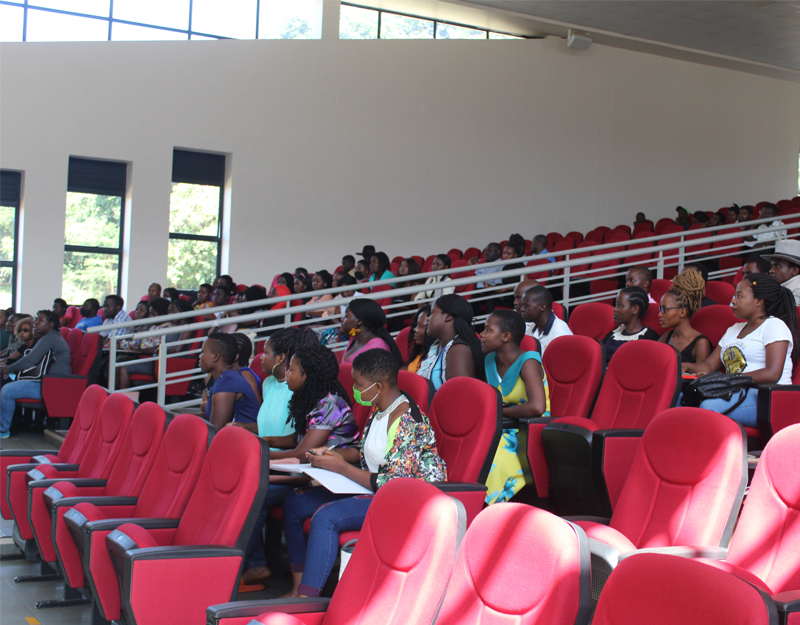
In a move to enhance the University’s standards, the University of Malawi has completed a two-day interactive training workshop on internal quality assurance which took place at the Economics building.
The workshop, which began on 10 February, 2026, was designed to orient Heads of Department, School Self-Assessment Committee members, and school administrators on institutional self-evaluation processes. Participants were introduced to the minimum standards set by the National Council for Higher Education (NCHE), the regulatory body mandated to accredit higher education institutions and academic programmes in Malawi. They were also familiarized with key assessment tools used during accreditation processes.
Speaking during the opening session, Professor Cosmo Ngongondo, Executive Dean for the School of Natural and Applied Sciences, encouraged participants to actively engage in discussions, debate constructively, and openly share perspectives.
“Self-assessment is not merely a compliance exercise for accreditation, but a powerful reflective tool. It allows us to identify our strengths, acknowledge good practices, pinpoint areas in need of improvement, and address them strategically. It also fosters a culture of evidence-based decision-making,” he said.
Professor Ngongondo emphasized that for the process to yield meaningful results, it requires dedication, honesty, open dialogue, cooperation, and collaboration across all levels of the University.
Dr. Anthony Gunde, Head of the Department of Media and Communication Studies, applauded the university administration for organizing the training.
“I was present during the first visit by NCHE to assess and accredit our institution and its programmes. At that time, many of us were still unfamiliar with some of the expectations,” he said. “Following this training, I am confident that we will conform to the NCHE expectations. We are now better equipped to conduct internal assessments, which will drive us toward meeting the minimum standards expected in delivering quality education in Malawi and on the global stage.”
The training was facilitated by members of the University’s Internal Assessment Committee.
After the workshop, participants are expected to conduct self-assessments within their respective departments and schools, contributing to a comprehensive institutional review.
Some of the key focus areas of the training included quality standards related to infrastructure, classrooms, laboratories, academic programmes, staff composition, and Open and Distance e-Learning (ODeL) delivery systems.