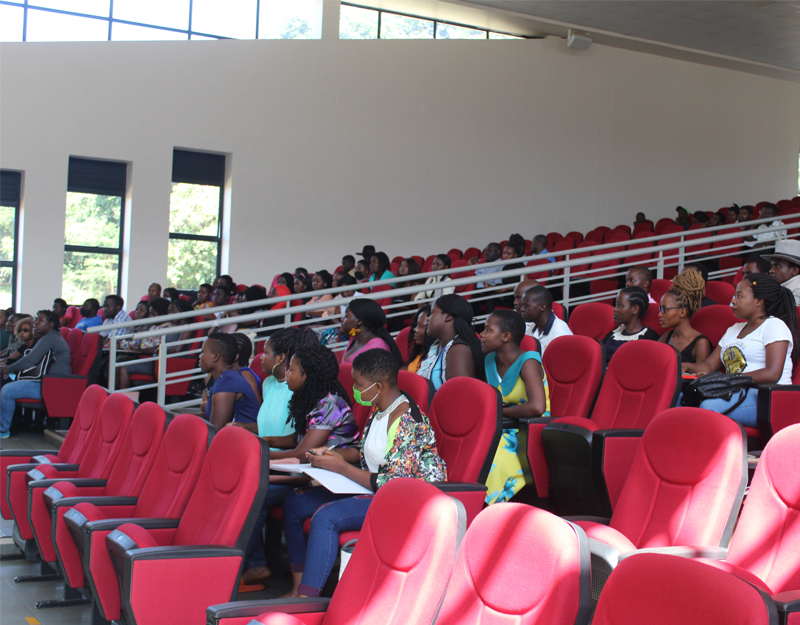


UNIMA Hosts Stakeholder Dialogue on Environmental Sustainability
The University of Malawi (UNIMA), through its Department of Biological Sciences and Biomedical Health Sciences, joined the global commemoration of World Environment Day by hosting a dynamic environmental seminar organized by the Civil Society Network on Climate Change (CISONECC) on 5th June 2026.
The event brought together a diverse group of stakeholders, including government officials, civil society organizations, academics, students, traditional leaders, faith-based representatives, and community members, all united by a common goal: protecting the environment and promoting sustainable development.
One of the major highlights of the seminar was an engaging panel discussion featuring Dr Lilian Chimphepo from the Environmental Affairs Department, Superintendent Grace Mbingwa of the Malawi Police Service, Ms Lisa Banda from CISONECC, Bishop Emanuel Oscar Kawinga (representing faith leaders), Senior Chief Chamba of Machinga District, and Mr Vitumbiko Chijere Chirwa, a lecturer at UNIMA.
Drawing from their diverse professional and community experiences, the panellists explored the causes and consequences of environmental degradation, the critical role of various stakeholders in environmental conservation, and practical strategies for safeguarding natural resources. The discussion emphasized that environmental protection is a shared responsibility requiring action from individuals, communities, institutions, and governments alike.
The seminar provided valuable insights into the environmental challenges facing Malawi and highlighted the importance of collaboration among communities, government agencies, civil society organizations, traditional authorities, faith-based institutions, and academic bodies. Participants stressed that meaningful progress can only be achieved through coordinated and inclusive efforts.
Speaking during the event, Dr. Chimphepo underscored the power of collective action in addressing environmental challenges.
“If all stakeholders coordinate and pool together the limited resources available, we can make a significant impact. We can act locally and still create a global impact, as reflected in this year's International Day for Biological Diversity theme, which reminds us that together we can.”
UNIMA’s involvement in the event reflects the university’s continued commitment to addressing national challenges through research, education, community engagement, and advocacy for sustainable development.